
On-Shift Toolkit
Reproductive and Sexual Health
Sexual Assault Forensic Exams
(SAFE/SANE)
Supplies & Equipment
-
The Sexual Offense Evidence Collection Kit (Part A)
-
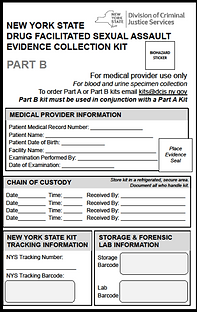
The Drug-Facilitated Sexual Assault Evidence Collection Kit (Part B)
-
Sterile Cotton Swabs
-
Clean Blankets/Sheets
-
Paper Bags for clothing/evidence
-
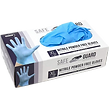
Box of Gloves
-
Multiple Sheets of Patient Labels (for every bag/envelope)
-
Paper chucks/surgical drapes/exam table paper
-
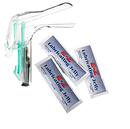
Speculum (with light)
-
Water-based lubricant
-
Woods lamp
-
Stack of paper cups or drying rack for swabs
-
Jug of water
-
Camera (not your phone)
-
Paper ruler/measuring device
-
Patient Gowns & Socks
-
Extra bin for trash










Basics of Trauma-Informed Care
1.
Establish Physical & Emotional Safety
-
Treat urgent injuries before anything else
-
Move to a private room immediately
-
Create a calm, consistent environment: comfortable temperature, same staff when possible
-
Introduce everyone in the room and explain why they are there
"I'm so sorry this happened. You are safe here. I'll explain before I do anything — and you are in charge."
2.
Affirm Patient's Autonomy & Dignity
Assault removes a person's autonomy— restore it in every way possible
-
Remind the patient they are in complete control of the exam-- can say no at any time
-
Allow patient to control pace
-
Let the patient move their own gown and drape where possible — not the clinician
-
Allow clothing to remain on parts of the body not being examined
-
Offer self-insertion of the speculum or specimen swabs
"Would you prefer to sit or lie down?" "May I take your blood pressure?"
3.
Consent Must Be Continuous
Consent is not just a single signature. Reaffirm consent before each step.
Withdrawal of consent may be nonverbal.
Watch actively for:
-
"Wait," "stop," "ouch" — these explicitly rescind consent; stop immediately
-
Going silent, tensing, pulling away, recoiling, or moving away from you
-
Closing their legs during a genital exam
-
Changing the subject, tears, visible distress, or dissociation mid-exam
When you observe any of these: STOP. Check in.
"Do you want to take a break?" | "You are in charge — we can stop here."
4.
Believe, Acknowledge, Validate
-
Avoid any language that implies doubt or judgment
-
Acknowledge the trauma of the event
-
Center their resilience and strength, not only their injury
-
Simple statements can carry enormous weight:
-
"This shouldn’t have happened to you."
-
"Thank you for trusting me with this information."
-
"You did the right thing by coming in."
-
"It took a lot of courage to come to the ER."
-
5.
Recognize All Trauma Reactions Are Valid
-
Patients may laugh, cry, seem calm, dissociate, or express anger — none of this reflects credibility
-
Memory may be fragmented or non-linear — this is neurobiology, not deception
-
Do not assume gender, pronouns, orientation, or relationship to assailant
-
Patients from marginalized communities may justifiably fear medical and legal systems — these fears are founded
-
Immigration status, race, disability, LGBTQ+ identity, and prior system involvement all affect how patients present and what they need
-
Adapt your approach to meet the patient
6.
Minimize Re-traumatization
Be transparent, predictable and patient-led.
-
Explain what you are about to do before every step — narrate throughout;
-
Stay within the patient's eyesight at all times (ex. raise head of exam table during pelvic exam)
-
Avoid sudden movements; speak clearly, slowly, and calmly
-
Allow the patient to control the pace
-
Allow clothing to be shifted rather than removed when possible
-
Offer self-insertion of the speculum or specimen swabs whenever possible
-
Offer a mirror or allow the patient to place their hand over the clinician's to guide the exam
-
Offer a support person (friend, family, or advocate)
-
Minimize repetitive interviews — balance trainee education against re-traumatization through multiple examinations
7.
Avoid Re-traumatizing Language
-
"Bed" >> "Exam Table"
-
"Rape Kit" >> "Evidence Collection Kit"
-
"Feel/Touch" >> "Examine/Evaluate"
-
"Why did you...?" >> "Tell me more about"
-
"You need to..." >> "One option is...." / "Would you like to..."
-
"Try to relax" >> "Take all the time you need. We can pause or stop at any point."
-
"I need to examine you now" >> "The next step would be a physical examination. Would it be okay to proceed? You can say no to any part of this.”
-
"Your [body part]" >> "The [body part]"
8.
Involving Police is the Patient's Decision
(And they can decide later)
-
We ONLY report sexual assault to police if it involves a weapon or a minor (under 13 years old), or if the patient expressly requests it.
-
Do not immediately contact law enforcement when a patient presents and do not mention it until after the exam.
-
Many patients — undocumented individuals, people of color, LGBTQ+ patients, those with prior system involvement — have well-founded fears of law enforcement. Respect this without question or challenge.
-
Never express surprise or disapproval if a patient declines to report
-
The hospital is required to store evidence for up to 20 years, so patients can decide to report later.
-
After the exam, offer once, calmly:
"Reporting is entirely your choice. Evidence can be preserved so that option remains open."
9.
Protect Yourself & Your Colleagues
-
Secondary trauma is real. Burnout is real.
-
Women are more likely to sexually assaulted, and also more likely to perform (or be delegated to perform) sexual assault exams as clinicians
-
Watch for Signs: intrusive thoughts, numbness, compassion fatigue, avoidance of certain cases
-
Seek peer debriefing and supervision regularly
-
Use available mental health and EAP resources
Trauma-informed Care Resources:
-
American College of Obstetricians and Gynecologists. (2019). Sexual assault (Committee Opinion No. 777). Obstetrics & Gynecology, 133(4), e296–e302. https://doi.org/10.1097/AOG.0000000000003178
-
Minnesota Coalition Against Sexual Assault. (2022). Step-by-step medical forensic exam.
-
Linden, J. A. (2011). Care of the adult patient after sexual assault. New England Journal of Medicine, 365(9), 834–841. https://doi.org/10.1056/NEJMcp1102287

More Coming Soon
Thank you for exploring our website! We are still working on building this part. Feel free to contact us with questions, subscribe to our mailing list for updates, and please check back soon!